‘Rembrandt Lighting’- The Rembrandt lighting setup originated from the dutch painter Rembrandt who used the setup within his work. The lighting set up involves having one main light and a reflector. To achieve the illusion of almost having a triangle under the subjects eye due to the shadows created by the lighting all you have to do is set up the camera directly opposite the subject of interest. The key light should be placed 45 degrees at an angle above the subject and the reflector should be based at eye level on the other side.
‘Split Lighting’- Split lighting simply gives the illusion of one half of the subjects face being lit up whilst the other side is in complete darkness due to the shadow and having no light being reflected onto it. The key light should be 90 degrees from the camera whilst the camera is still directly infront of the subject. No reflector is needed to achieve the split lighting affect as the lights will only need to be shined on one half of the face.
‘Butterfly Lighting’- The butterfly lighting setup is typically used as the ‘selfie lighting’. The light source is placed directly above the camera enabling the light to strictly cut down onto the subject highlighting the high points of the subjects face and making the cheekbones have a slight shadow. This set up usually makes the subjects face look flawless erasing any flaws or ‘eyebags’.
1st Diagram- Split Lighting
2nd Diagram- Butterfly Lighting
3rd Diagram- Rembrandt Lighting
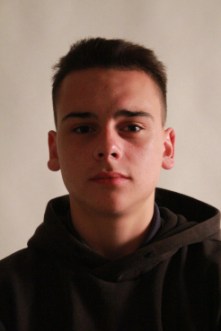
High Key Lighting-
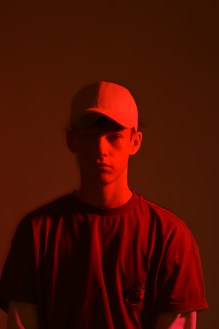
Low Key Lighting-
Example of a photographer who uses artificial lighting- Tina Modotti was an Italian photographer who’s work was mostly known for her skilful use of composition and shadow. Modotti’s photographs are usually taken in black and white resulting in the images to have naturally high contrast, she uses studio lighting to create the light and shadows that flatter the face. The photographer has used a shallow depth of field in the portraits and has used the split lighting effect on one half of the face.

 Unit-21 FILM BASED PHOTOGRAPHY